

Manufactured to align with CSA expectations for materials used in food processing equipment, the die supports compliance efforts in regulated kitchens. Quality assurance personnel will document material provenance and maintain audit readiness.
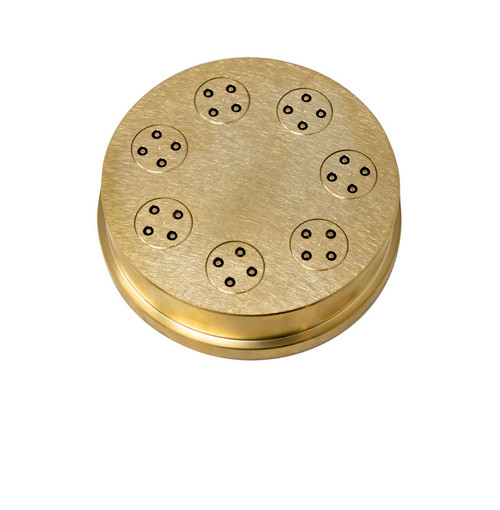
LongDescription#@#NA#@@#Cleaning Instructions#@#Unplug equipment and remove parts. Scrape solids, then wipe surfaces with a mild detergent solution and a soft cloth. Flush pasta dies with warm water, brush openings to remove dough, and soak in a 1:10 bleach solution when heavy residues persist. Rinse thoroughly and air dry; reassemble only when completely dry. Clean vents, coils, and grease traps weekly to reduce fire risk, lower energy use, prevent breakdowns, stop sickness, and keep CSA inspections passing.#@@#Additional Info#@#Omcan USA 13304 #59 brass bucatini pasta die, 3 mm, fits commercial extruders for consistent pasta; brass ensures thermal stability and abrasion resistance. The 0.10 pound die mounts to standard housings and meets CSA sourcing expectations.#@@#General Info#@#Description #@#
Manufactured to align with CSA expectations for materials used in food processing equipment, the die supports compliance efforts in regulated kitchens. Quality assurance personnel will document material provenance and maintain audit readiness.#@@#Delivery Details#@#
• Please ensure to handle the product with utmost care.
• Check if the product you have received has all the essential parts and accessories.
• Make sure to examine the product for damage before signing the delivery receipt.
• Contact customer service for delivery concerns.
• Delivery times may vary based on location.#@@#deliverynotes#@#NA#@@#Maintenance Guide#@#Use a soft brush and warm soapy water to remove dough residue from the Omcan USA 13304 #59 Brass Bucatini Pasta Die after each production run, then rinse thoroughly and air-dry to prevent corrosion. Inspect the die for nicks and deformation before assembly; replace if damage compromises extrusion. Lubricate contact points with food-grade oil sparingly. Store dies in a dry, labeled container. Follow CSA and manufacturer cleaning intervals to maintain consistent output and food safety.