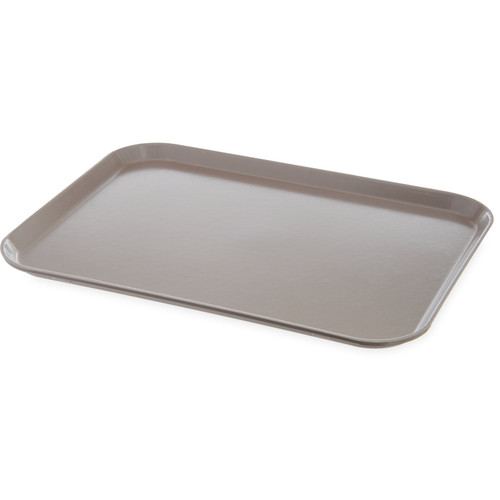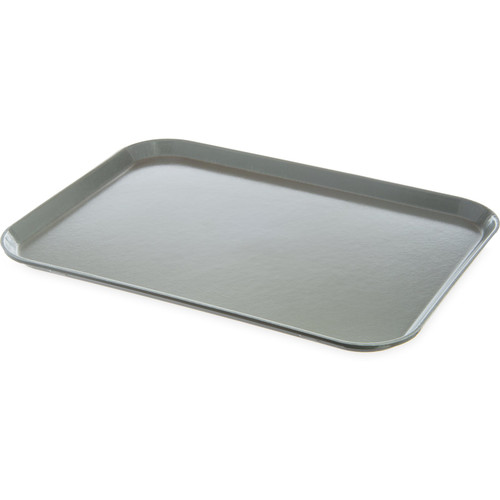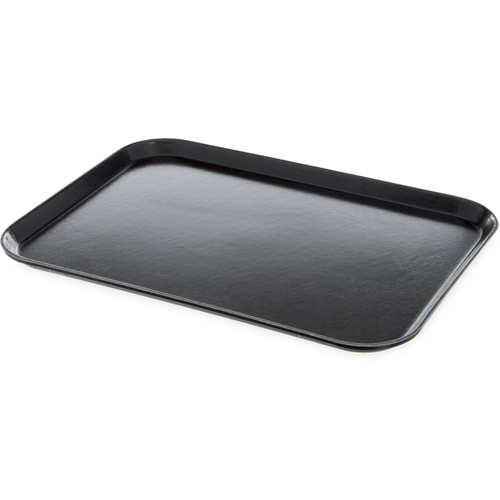


Step up serving capacity without compromising durability or heat tolerance. This flat, stackable tray handles repeated service cycles and high temperatures up to 300°F while fitting thermal and MOCII cart systems used in institutional kitchens. Operators will appreciate consistent performance, space savings, and materials engineered for frequent use in healthcare and hospitality environments.
LongDescription#@#NA#@@#Cleaning Instructions#@#Wipe trays with a mild detergent and warm water, scrub high-touch edges like rims and stack grooves, then rinse and air dry. Sanitize with an EPA-registered surface sanitizer when trays contact clean items or pass between front- and back-of-house. Inspect stackable slots for food debris and remove buildup to deter pests and prevent contamination. Clean regularly to preserve tray finish, maintain compliance with health codes, and support a positive customer perception.#@@#Additional Info#@#Dinex DXSC1531011 flat stackable tray measures 13" by 21" and withstands -20° F to 300° F. Its stackable, reusable design resists breaking and scratching, supports 60-pound loads, and is CSA-compliant for institutional use.#@@#General Info#@#Description #@#
Step up serving capacity without compromising durability or heat tolerance. This flat, stackable tray handles repeated service cycles and high temperatures up to 300°F while fitting thermal and MOCII cart systems used in institutional kitchens. Operators will appreciate consistent performance, space savings, and materials engineered for frequent use in healthcare and hospitality environments.
#@@# High Heat Resistance#@#
Designed to withstand temperatures from -20°F to 300°F, this tray supports hot delivery and cold storage workflows without warping. Kitchen staff can load trays directly from heated carts or chilled holding units, maintaining dimensional stability under thermal stress.
#@@# Cart Compatibility#@#
Engineers optimized dimensions to interface with MOCII carts, Thermal Air II carts, and Thermal Air III carts, enabling seamless integration into existing meal delivery systems. Managers can standardize tray logistics and reduce handling time during peak service periods.
#@@# Stackable Space Savings#@#
The stackable design reduces the footprint when units sit idle, freeing shelf and cart space for other supplies. Inventory teams can store larger quantities without additional shelving, improving back-of-house organization.
#@@# Break-Resistant Construction#@#
Manufacturers selected a resilient material that resists breaking and scratching during routine use and transport. Staff will experience fewer replacements and lower maintenance interruptions over a service cycle.
#@@# Precise Dimensions#@#
Measuring 13 inches wide by 21 inches long with a shallow profile, the tray accommodates standard meal portions and fits narrow cart slots. Dietitians and trayline operators can portion consistently while preserving tray stability in transit.
#@@# Reusable Lifecycle#@#
The reusable construction supports repeated sanitation cycles and reduces single-use waste in institutional settings.
#@@#Delivery Details#@#
• Please ensure to handle the product with utmost care.
• Check if the product you have received has all the essential parts and accessories.
• Make sure to examine the product for damage before signing the delivery receipt.
• Contact customer service for delivery concerns.
• Delivery times may vary based on location.#@@#deliverynotes#@#NA#@@#Maintenance Guide#@#Inspect trays daily for cracks and surface abrasion to prevent contamination and operational failure. Clean trays after each use with a neutral pH detergent and warm water; rinse thoroughly and air dry to avoid residue. Sanitize with EPA-registered agents following dwell-time instructions. Verify compatibility with MOCII, Thermal Air II and III carts before stacking. Store trays flat to maintain shape and avoid exposure above 300°F during service.