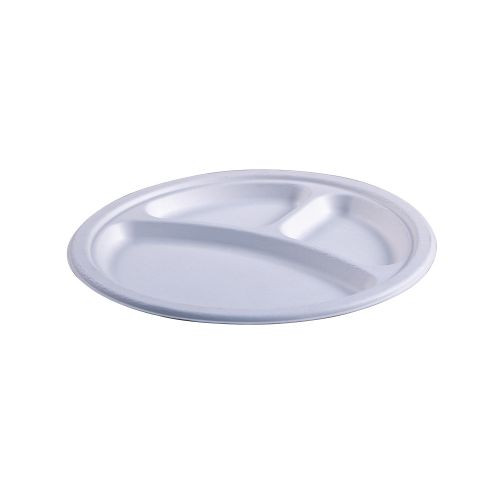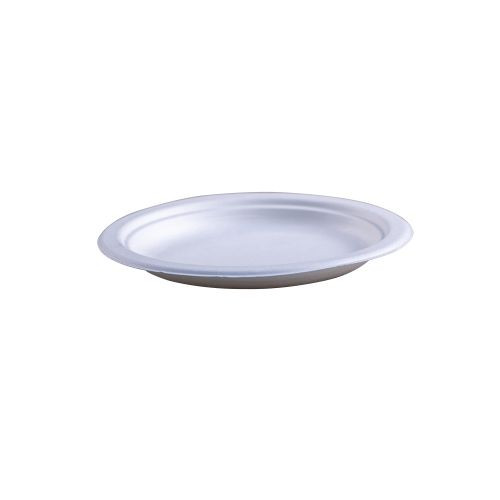

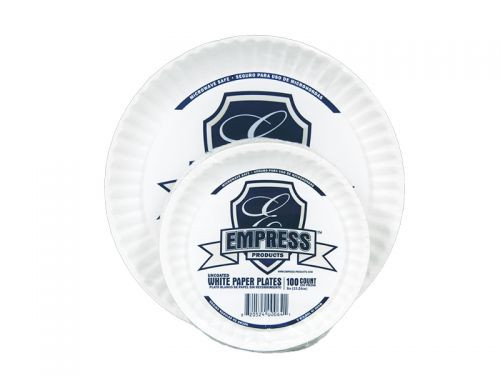
Produced from paper material compatible with standard recycling programs where accepted, these plates align with routine waste streams and facility sustainability goals. Procurement officers can document material type for regulatory and institutional reporting.
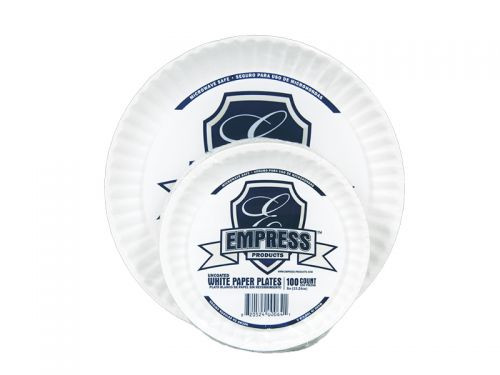
LongDescription#@#NA#@@#Cleaning Instructions#@#Clean high-touch surfaces like menu covers, salt shakers, chair backs, and bathroom handles daily to prevent germ transfer and protect food safety. Use a detergent wipe or 1:100 bleach solution, scrub visible soil, then rinse or wipe dry. Remove crusted food under booths and shelves weekly to deter pests. Inspect surfaces before service and document cleaning to maintain health-code compliance and preserve furnishings' condition.#@@#Additional Info#@#Empress E30200 00064 delivers 6" white uncoated paper plates in 10 packs of 100 per case. They resist bending and simplify disposal, meeting needs for cafeterias, catering, hospitals, and bars while aiding inventory management and cost control.#@@#General Info#@#Description #@#
Produced from paper material compatible with standard recycling programs where accepted, these plates align with routine waste streams and facility sustainability goals. Procurement officers can document material type for regulatory and institutional reporting.#@@#Delivery Details#@#
• Please ensure to handle the product with utmost care.
• Check if the product you have received has all the essential parts and accessories.
• Make sure to examine the product for damage before signing the delivery receipt.
• Contact customer service for delivery concerns.
• Delivery times may vary based on location.#@@#deliverynotes#@#NA#@@#Maintenance Guide#@#Inspect plates before service and store them in dry, pest-free areas to prevent contamination and maintain integrity. Rotate stock using first-in, first-out procedures and record lot numbers for traceability. Handle cases by lifting from the base to avoid crushing edges. Remove soiled plates promptly and dispose of them according to facility waste protocols. Review supplier documentation, including CSA certifications, and train staff on proper single-use handling and storage.