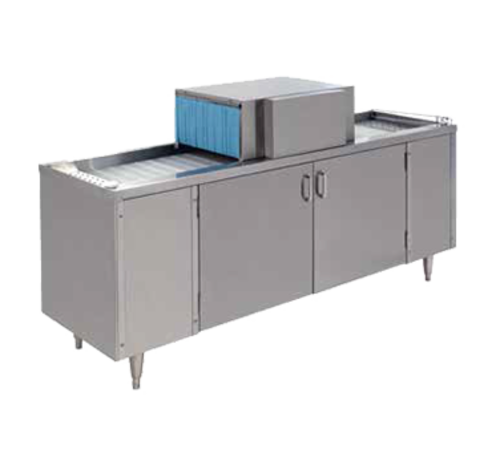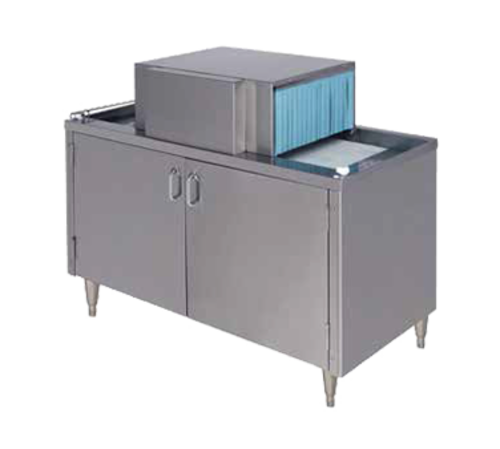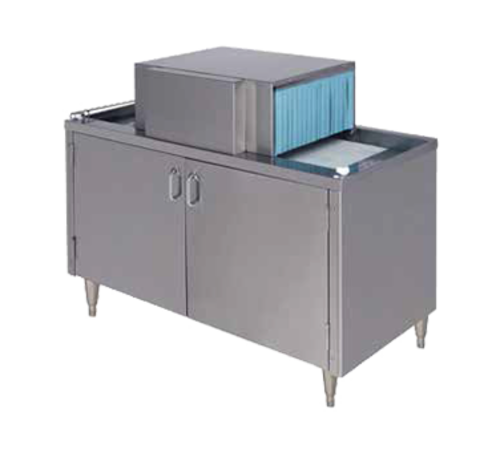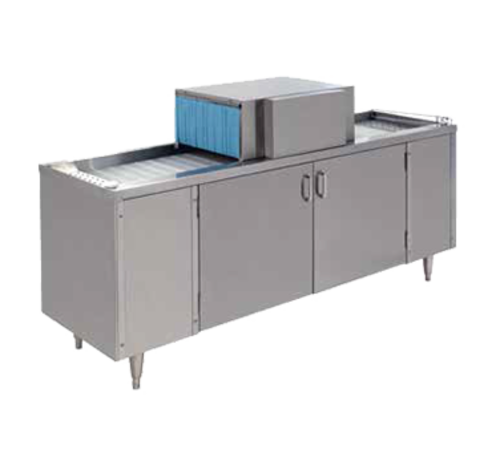

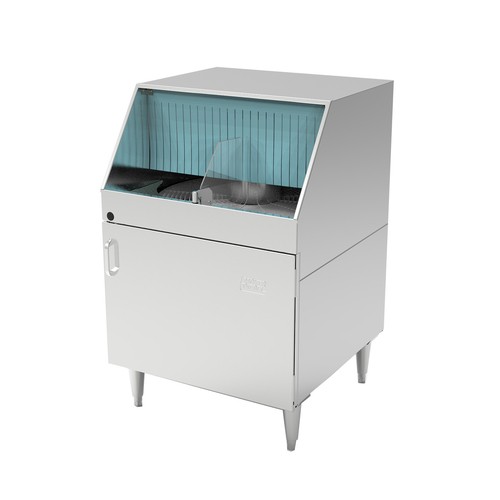
Stop sacrificing throughput for sanitation. This rotary glasswasher combines high output, consistent low-temperature chemical sanitizing, and durable stainless-steel construction to keep service lines moving while meeting commercial hygiene standards. Busy bars, cafeterias, hospitals, and campus dining operations will gain predictable cycle times and dependable wash quality from a machine engineered for continuous use.
LongDescription#@#NA#@@#Cleaning Instructions#@#Unplug unit and shut power at the NEMA 6-15P receptacle. Remove trays and clean conveyor with mild detergent and a soft brush. Flush wash and rinse arms; clear nozzles with a soft tool. Refill chemical pumps per manufacturer ratios and verify built-in mixing valve operation. Descale tank and clean filters regularly. Wipe exterior stainless steel with non-abrasive cleaner. Dry components before restoring power to prevent corrosion and ensure CSA and NSF compliance.#@@#Additional Info#@#Moyer Diebel’s DF 25" rotary glasswasher sanitizes 1,200 glasses per hour.#@@#General Info#@#Description #@#
Stop sacrificing throughput for sanitation. This rotary glasswasher combines high output, consistent low-temperature chemical sanitizing, and durable stainless-steel construction to keep service lines moving while meeting commercial hygiene standards. Busy bars, cafeterias, hospitals, and campus dining operations will gain predictable cycle times and dependable wash quality from a machine engineered for continuous use.
#@@# High Capacity#@#
Designed to process approximately 1200 glasses per hour, this unit provides sustained throughput for peak service periods. Operators reduce bottlenecks and maintain inventory turnover without compromising contact sanitation protocols.
#@@# Rotary Conveyance#@#
A polypropylene conveyor with clockwise rotation feeds items through fixed wash and rinse stations to ensure consistent exposure to cleaning action. Staff receive uniform cleaning results regardless of individual loading technique.
#@@# Low Temperature Sanitizing#@#
The machine uses a chemical sanitizing regime at low temperatures to prevent heat stress on delicate glassware while meeting regulatory sanitization requirements. Facilities that cannot supply high-temperature rinse water can still comply with sanitation standards.
#@@# Wash System#@#
Upper and lower wash and rinse arms deliver targeted mechanical action to remove soils from interior and exterior surfaces. Technicians observe reduced rewash rates and extended glass life due to controlled impingement and detergent distribution.
#@@# Integrated Chemical Controls#@#
Three built-in chemical pumps and a built-in mixing valve provide accurate dosing and stable sanitizer concentration throughout each cycle. Managers gain repeatable sanitizing efficacy and lower chemical waste compared with manual dosing.
#@@# Electrical And Heating#@#
A 3.0 kW tank heater and 208/230 volts, 1-phase, 60 Hz electrical design supply rapid temperature recovery and consistent solution temperatures.
#@@#Delivery Details#@#
• Please ensure to handle the product with utmost care.
• Check if the product you have received has all the essential parts and accessories.
• Make sure to examine the product for damage before signing the delivery receipt.
• Contact customer service for delivery concerns.
• Delivery times may vary based on location.#@@#deliverynotes#@#NA#@@#Maintenance Guide#@#Inspect spray arms weekly; remove scale or debris for consistent spray patterns and drying. Operate chemical pumps as instructed and verify dosing rates to maintain sanitizing efficacy. Flush tank and replace solution daily; decalcify with approved descaler monthly if water hardness requires. Lubricate conveyor bearings quarterly and tighten fasteners on cabinet doors and base. Verify electrical connections, NEMA 6-15P receptacle compatibility, and CSA labels during routine checks.