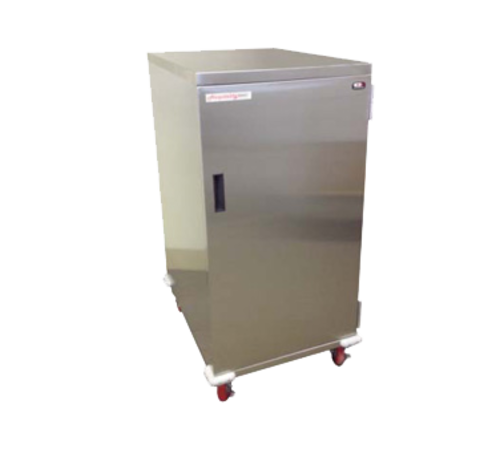

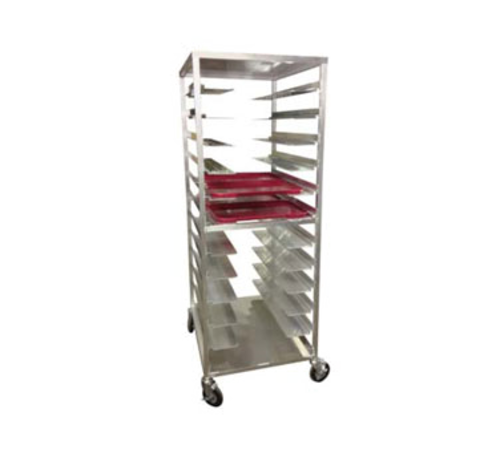
Optimize your tray delivery efficiency with our aluminum room service cart, designed for organized transport in hospitals, schools, universities, and food service operations. Founded in 1998, our B2B focus drives durable solutions that enhance patient tray distribution and cafeteria service.
LongDescription#@#NA#@@#Cleaning Instructions#@#Wipe cart surfaces with a mild detergent and warm water, focusing on tray guides, handles, chair-back-height rails, and bathroom-facing surfaces to prevent contamination of clean items and hands. Rinse and dry with a clean cloth to avoid residue. Sanitize high-touch zones with an EPA-registered surface sanitizer per label dwell time. Remove crumbs from crevices to deter pests. Clean weekly and after spills to maintain appearance, comply with health codes, and extend service life.#@@#Additional Info#@#Carter-Hoffmann AL12 14" x 18" aluminum room service cart holds 12 trays (14" x 18" and 15" x 20"). It measures 38.38" wide, 29.25" high, 33" deep, weighs 46 pounds, and supports efficient tray delivery for hospitals and foodservice operations.#@@#General Info#@#Description #@#
Optimize your tray delivery efficiency with our aluminum room service cart, designed for organized transport in hospitals, schools, universities, and food service operations. Founded in 1998, our B2B focus drives durable solutions that enhance patient tray distribution and cafeteria service.
The cart accommodates twelve trays in vertical slots, providing predictable load planning and reducing handling cycles. Facilities can schedule rounds knowing each pass carries a full complement of meals.
Manufacturers choose aluminum for its corrosion resistance and lightweight properties; this unit weighs 46 pounds, simplifying manual maneuvering and minimizing strain on staff. Crew members report more consistent handling with equipment that remains lightweight yet sturdy.
With a depth of 33 inches and overall dimensions that fit service corridors and tight patient rooms, the cart ensures operational pathways remain clear while crews move trays efficiently.
The rack design supports routine hospital and cafeteria workflows, maintaining integrity under repeated loading cycles common in high-turnover environments. Maintenance teams benefit from fewer repairs and predictable lifecycle costs.
Design tolerances accommodate various tray sizes, allowing institutions to standardize on a single cart across multiple meal programs, which helps reduce SKU complexity and inventory variation.
Smooth aluminum surfaces and open frame geometry facilitate rapid cleaning and sanitary maintenance per institutional protocols. Environmental services staff can perform quicker wipe-downs, reducing downtime between uses.
#@@#Delivery Details#@#
• Please ensure to handle the product with utmost care.
• Check if the product you have received has all the essential parts and accessories.
• Make sure to examine the product for damage before signing the delivery receipt.
• Contact customer service for delivery concerns.
• Delivery times may vary based on location.#@@#deliverynotes#@#NA#@@#Maintenance Guide#@#Inspect aluminum surfaces weekly and remove debris with a soft brush and mild detergent to prevent corrosion. Rinse thoroughly and dry with a lint-free cloth to avoid spotting. Lubricate caster stems quarterly and verify wheel alignment to maintain mobility. Check tray guides for deformation and tighten loose fasteners monthly. Store cart indoors when idle to minimize environmental wear and document maintenance actions for compliance and asset tracking.