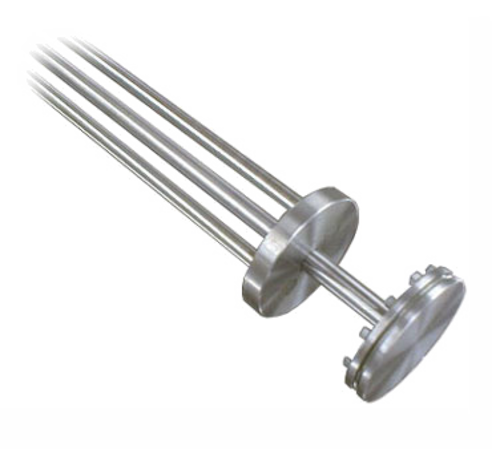


Designed for use with type N depositors, the plunger adapts to standard donut fryer workflows in bakeries, cafeterias, and concession operations. Production managers will achieve steady throughput when they pair this part with compatible depositor cylinders, ensuring optimal performance in high-demand environments.
LongDescription#@#NA#@@#Cleaning Instructions#@#Unplug equipment and cool completely. Remove the Belshaw N-1007SSX2 plunger and disassemble if applicable. Wash parts in warm water with mild detergent and a soft brush; avoid abrasive pads. Rinse thoroughly and air dry or towel dry with a lint-free cloth. Sanitize food contact surfaces per CSA or local guidelines. Reassemble and test fit. Clean regularly to prevent contamination, reduce fire risk from grease, lower energy use, and avoid equipment failure.#@@#Additional Info#@#Belshaw's N-1007SSX2 2" stainless steel donut plunger fits Type N depositors and needs matching cylinder sizes; it weighs 1 pound, resists corrosion, and ensures precise dough portioning for bakery and foodservice.#@@#General Info#@#Description #@#
Designed for use with type N depositors, the plunger adapts to standard donut fryer workflows in bakeries, cafeterias, and concession operations. Production managers will achieve steady throughput when they pair this part with compatible depositor cylinders, ensuring optimal performance in high-demand environments.#@@#Delivery Details#@#
• Please ensure to handle the product with utmost care.
• Check if the product you have received has all the essential parts and accessories.
• Make sure to examine the product for damage before signing the delivery receipt.
• Contact customer service for delivery concerns.
• Delivery times may vary based on location.#@@#deliverynotes#@#NA#@@#Maintenance Guide#@#Inspect the Belshaw N-1007SSX2 plunger weekly for deformation and surface pitting. Remove residue with a soft brush and warm, soapy water; sanitize per facility protocol and rinse thoroughly. Lubricate moving interfaces with food-grade lubricant after drying. Verify cylinder compatibility before installation to prevent wear. Store components in dry, ventilated cabinets. Replace seals at first sign of hardening to maintain dosing accuracy and minimize downtime.