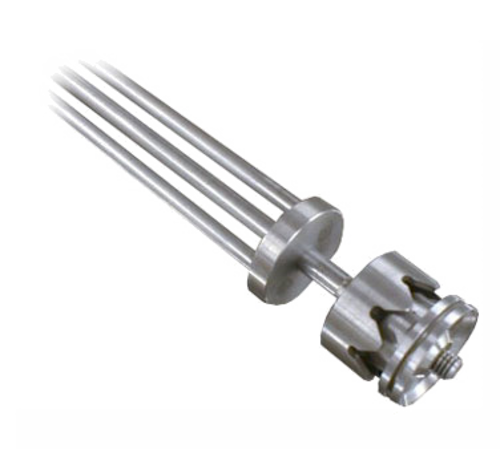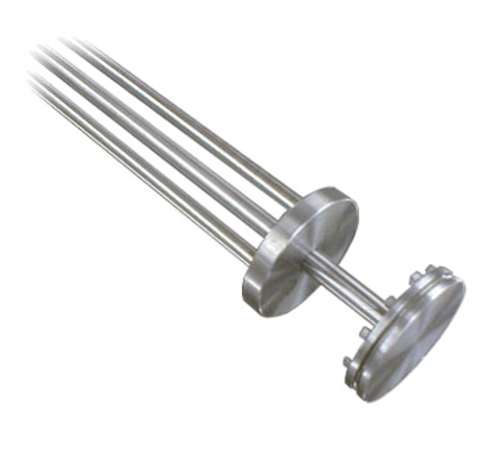


Manufactured to standard specifications, this component integrates with existing fryer system parts lists used by commercial kitchens, schools, and hospitality operations. Procurement teams streamline inventory planning and maintain spare stock that preserves production continuity.
LongDescription#@#NA#@@#Cleaning Instructions#@#Unplug the depositor and remove any dough. Disassemble the Belshaw N-1007SSX1-3/4 plunger from the cylinder. Soak plunger in warm water with mild detergent for 10 minutes. Scrub with a soft brush, paying attention to edges and bore. Rinse with potable water and inspect seals for wear; replace if scoring appears. Sanitize per CSA or local protocol, air dry fully, then reassemble. Clean after each shift to prevent contamination, fires, and equipment failure.#@@#Additional Info#@#Belshaw's N-1007SSX1-3/4 1.75" stainless steel donut plunger fits Type N depositors, requires matching cylinder sizes, is durable for continuous production, weighs 1 pound, and supports portion control in fryers.#@@#General Info#@#Description #@#
Manufactured to standard specifications, this component integrates with existing fryer system parts lists used by commercial kitchens, schools, and hospitality operations. Procurement teams streamline inventory planning and maintain spare stock that preserves production continuity.#@@#Delivery Details#@#
• Please ensure to handle the product with utmost care.
• Check if the product you have received has all the essential parts and accessories.
• Make sure to examine the product for damage before signing the delivery receipt.
• Contact customer service for delivery concerns.
• Delivery times may vary based on location.#@@#deliverynotes#@#NA#@@#Maintenance Guide#@#Inspect the Belshaw N-1007SSX1-3/4 plunger before each shift for any signs of wear, deformation, or pitting that could affect performance. Clean the plunger thoroughly with warm water and a neutral detergent; ensure you rinse it thoroughly and allow it to air dry completely to prevent any residue buildup that could compromise its function. Lubricate all contact surfaces weekly with a food-grade lubricant that meets CSA or local codes to maintain optimal operation.