

Stop compromising production flow due to inconsistent dough handling. This proofing cloth system ensures controlled fermentation and reliable spacing, allowing donut lines to operate predictably during peak shifts. Designed specifically for commercial donut operations, it combines durable polymer fabric with integrated support rods to maintain sheet integrity through repeated cycles.
LongDescription#@#NA#@@#Cleaning Instructions#@#Remove cloths from Donut Robot® Mark VI and shake off loose debris. Mix mild detergent with warm water (use liters or gallons as needed). Submerge polypropylene cloth and scrub rods with a soft brush. Rinse thoroughly to remove soap. Air dry completely before reinstalling to prevent mold and contamination. Clean after each shift to stop sickness, reduce fire risk from grease, lower energy use, and help pass CSA inspections. Use 36–60 cloths for full production.#@@#Additional Info#@#Belshaw FT2DW-0510 proofing cloth uses polypropylene with a mild steel rod, designed for Donut Robot® Mark VI systems for continuous proofing. Operators should stock 36–60 units for production, and the 0.80-pound cloth meets workflow demands.#@@#General Info#@#Description #@#
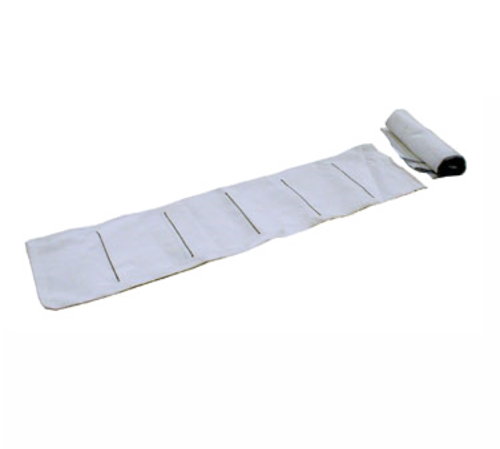
Stop compromising production flow due to inconsistent dough handling. This proofing cloth system ensures controlled fermentation and reliable spacing, allowing donut lines to operate predictably during peak shifts. Designed specifically for commercial donut operations, it combines durable polymer fabric with integrated support rods to maintain sheet integrity through repeated cycles.
#@@# Durable Polypropylene Cloth#@#
Engineers selected polypropylene for its dimensional stability and moisture control during proofing cycles. The fabric resists absorption, promotes consistent surface humidity, and reduces sticking that can disrupt automated handling.
#@@# Integrated Support Rod#@#
A mild steel rod runs through each cloth to preserve straight edges and prevent sagging under stacked loads. Operators can maintain alignment with robotic conveyors and hand stations, effectively preventing jams and rework.
#@@# Optimized For Donut Robots#@#
Manufacturers specify compatibility with Mark VI systems and recommend using 36 to 60 units for full production lines. Facilities can achieve continuous throughput when they scale cloth counts to match machine cycle rates.
#@@# Lightweight Shipping Footprint#@#
Each cloth weighs approximately 0.80 pounds, allowing kitchens to stock multiple units without excessive freight or storage burden. Managers can lower carrying costs and simplify inventory rotation for frequently replaced items.
#@@# High-Volume Lifecycle#@#
The materials withstand repeated proofing cycles and routine cleaning without rapid degradation, extending service life compared to untreated textiles. Maintenance teams experience fewer interruptions and reduced replacement frequency.
#@@# Simple Integration And Replacement#@#
Designers created the cloth for quick installation and removal, minimizing downtime during changeovers. Production staff can swap units rapidly between shifts, sustaining line uptime and consistent product quality.
#@@#Delivery Details#@#
• Please ensure to handle the product with utmost care.
• Check if the product you have received has all the essential parts and accessories.
• Make sure to examine the product for damage before signing the delivery receipt.
• Contact customer service for delivery concerns.
• Delivery times may vary based on location.#@@#deliverynotes#@#NA#@@#Maintenance Guide#@#Inspect Belshaw FT2DW-0510 proofing cloths before each shift and replace any cloth with frayed edges or damaged rods. Launder polypropylene cloths in warm water with pH-neutral detergent; avoid bleach and fabric softeners to preserve porosity. Dry on low heat or hang to prevent deformation. Verify mild steel rods remain straight and free of corrosion; remove rust with fine abrasive and apply food-safe corrosion inhibitor. Store flat, away from direct heat and contaminants.