

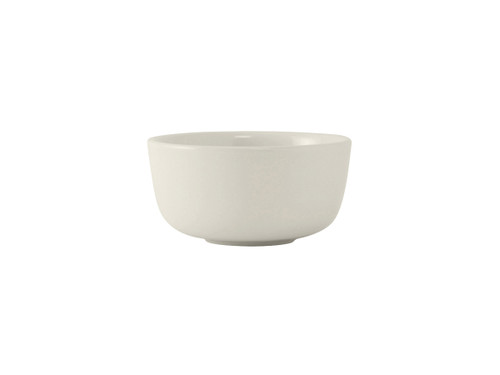
Stop settling for fragile tableware when service demands reliable, consistent pieces that withstand heavy use while retaining a professional appearance. This ceramic soup bowl combines service-grade durability with a refined Pearl White finish, delivering uniform portion control and dependable performance for cafeterias, hospitals, and busy restaurants. Organizations will benefit from oven-safe and microwave-safe construction that simplifies prep and reheating workflows without compromising presentation.
LongDescription#@#NA#@@#Cleaning Instructions#@#Wipe bowl exterior and foot with a neutral detergent and soft cloth; rinse thoroughly to remove residue. Run through dishwasher on normal cycle for sanitation; inspect rims and foot for food buildup and repeat if needed. Dry stacked bowls before storage to prevent water spots and material damage. Clean high-touch items like menus and salt shakers frequently to prevent germ transfer and shape customer perception of hygiene.#@@#Additional Info#@#Tuxton's AMU-041 9-1/2 oz pearl white soup bowl measures 4-3/8" diameter and 2.13" high. It's lead-free, fully vitrified, and safe for oven, microwave, and dishwasher. Ships three dozen per case for efficient inventory management.#@@#General Info#@#Description #@#
Stop settling for fragile tableware when service demands reliable, consistent pieces that withstand heavy use while retaining a professional appearance. This ceramic soup bowl combines service-grade durability with a refined Pearl White finish, delivering uniform portion control and dependable performance for cafeterias, hospitals, and busy restaurants. Organizations will benefit from oven-safe and microwave-safe construction that simplifies prep and reheating workflows without compromising presentation.
#@@# Dimensions Precision#@#
Engineered with a 4.38-inch diameter and 2.13-inch height, this bowl provides a measured 9-1/2 oz capacity that supports consistent portioning and controlled food costs. Operators can standardize servings across shifts to reduce waste and simplify training for line cooks and servers.
#@@# Service Durability#@#
Constructed from fully vitrified ceramic, the bowl resists chipping and thermal shock under frequent use in institutional environments. Food service managers will notice fewer replacements and lower lifecycle expenses compared with non-vitrified alternatives.
#@@# Safe Heat Handling#@#
Designed to tolerate oven temperatures and repeated microwave cycles, the bowl allows chefs to transition items from oven to table without additional cookware. Kitchen staff gain efficiency by minimizing transfers and reducing labor steps during peak service periods.
#@@# Sanitation and Maintenance#@#
The bowl qualifies for commercial dishwasher cycles and returns to service quickly after cleaning, reducing downtime between shifts. Maintenance teams will appreciate the lead-free composition and smooth glaze that resists staining and eases sanitation protocols.
#@@# Stable Footed Base#@#
A footed, round profile enhances stack stability on storage racks and reduces the risk of tipping during bussing and transport. Front-of-house teams can stack and stage service more predictably, improving speed of service in high-traffic areas.
#@@#Delivery Details#@#
• Please ensure to handle the product with utmost care.
• Check if the product you have received has all the essential parts and accessories.
• Make sure to examine the product for damage before signing the delivery receipt.
• Contact customer service for delivery concerns.
• Delivery times may vary based on location.#@@#deliverynotes#@#NA#@@#Maintenance Guide#@#Inspect bowls daily for chips and hairline cracks; remove damaged pieces to prevent contamination. Clean with a neutral detergent and soft cloth or nonabrasive pad; rinse thoroughly to avoid residue. Load dishwashers without overcrowding to ensure full spray coverage and use CSA-compliant detergents when required. Dry racks before storage and stack carefully to prevent impact. Recondition glaze wear by rotating stock and replacing units showing permanent surface degradation.