

Founded in 1998, the company supports food service professionals with parts that prioritize uptime and predictable performance. Technical teams supply documentation and replacement guidance to streamline installation and field support.
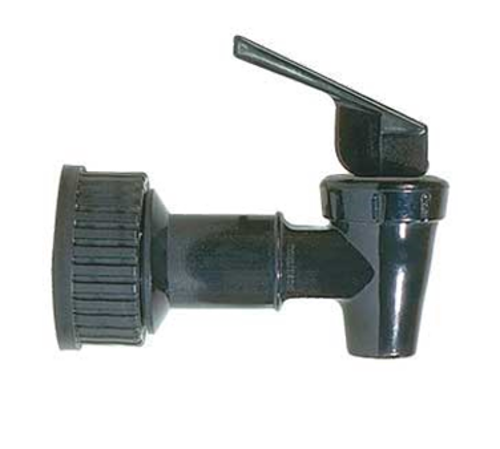
LongDescription#@#NA#@@#Cleaning Instructions#@#Unplug dispensing lines and depressurize system. Remove the Micro Matic WD-041 Scholle "T" Bag Connector and inspect seals for wear. Wash connector parts in warm, soapy water; scrub crevices with a soft brush. Rinse thoroughly and air dry on a clean surface. Reassemble using CSA-compliant fittings and test for leaks under pressure. Clean weekly to reduce contamination, prevent grease buildup, lower energy use, and avoid equipment failure.#@@#Additional Info#@#Micro Matic WD-041 Scholle "T" Bag Connector offers sanitary, stainless-compatible connections for bag-in-box systems, ensuring reliable beverage flow and minimizing downtime; CSA-compliant for bar, kitchen, and institutional use.#@@#General Info#@#Description #@#
Founded in 1998, the company supports food service professionals with parts that prioritize uptime and predictable performance. Technical teams supply documentation and replacement guidance to streamline installation and field support.#@@#Delivery Details#@#
• Please ensure to handle the product with utmost care.
• Check if the product you have received has all the essential parts and accessories.
• Make sure to examine the product for damage before signing the delivery receipt.
• Contact customer service for delivery concerns.
• Delivery times may vary based on location.#@@#deliverynotes#@#NA#@@#Maintenance Guide#@#Maintain the Micro Matic WD-041 Scholle "T" Bag Connector by inspecting seals and O-rings weekly and replacing any showing wear. Flush lines with approved sanitizer after each service period and purge with CO2 to prevent oxidation and contamination. Lubricate connection points with food-grade lubricant quarterly and torque fittings to manufacturer specs during scheduled maintenance. Document service actions and monitor flow rates for early detection of restrictions.