

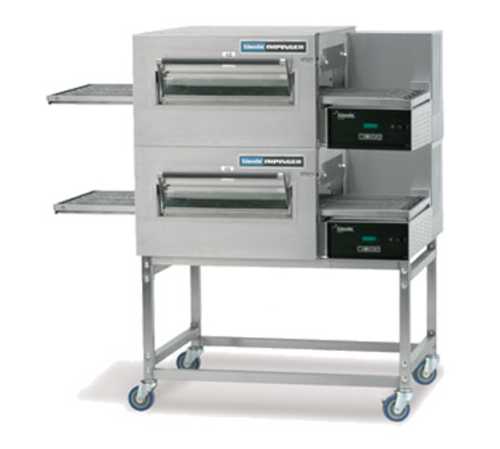
The electric conveyor oven delivers controlled, continuous cooking with thermal precision and industrial throughput for kitchens that require steady, repeatable results under heavy use.
LongDescription#@#NA#@@#Cleaning Instructions#@#Unplug the 240v oven and allow it to cool completely. Remove trays and conveyor; wash trays with warm, soapy water and dry. Wipe interior surfaces with a mild detergent, avoid abrasive pads. Clean conveyor belt per manufacturer guide; inspect belt tension and seals. Degrease vents and hood to prevent fires; clean coils and fan blades to improve efficiency. Rinse surfaces, dry thoroughly, then reconnect power. Regular cleaning prevents contamination, breakdowns, and failed inspections.#@@#Additional Info#@#The Lincoln Foodservice 1180-2E Impinger II Express oven operates at 240v, delivering 20,000 watts (10.0 kW) for high-volume foodservice. It weighs 703 pounds and meets CSA electrical specs.#@@#General Info#@#Description #@#
The electric conveyor oven delivers controlled, continuous cooking with thermal precision and industrial throughput for kitchens that require steady, repeatable results under heavy use.
This unit operates on 240v at 10.0kW, supplying 20,000 watts of heating capacity to maintain setpoint temperatures across the conveyor. Exact voltage and wattage specifications allow engineers to plan electrical service and load balancing with confidence.
A conveyor-driven system provides continuous product movement, enabling operators to run multiple racks or trays without interruption. Variable speed controls let staff match cook time to product thickness, reducing overcooking and improving consistency.
Impinger-style forced-air circulation concentrates heat across the belt for rapid moisture control and surface browning. Precise airflow patterns optimize cook profiles for items ranging from sandwiches to frozen entrées, improving yield and reducing rework.
Commercial-grade materials and assembly support 703 pounds of unit weight, reflecting a robust chassis designed for daily high-volume use. Engineers can expect service access and component longevity suited to institutional environments.
Electric power configuration removes the need for gas hookups, simplifying placement in locations with electrical infrastructure. Clear line-item electrical requirements streamline planning for school districts, hospitals, and hospitality operations.
The equipment aligns with industry testing and commercial standards and ships with manufacturer documentation for installation and maintenance. Technicians receive detailed electrical ratings and part identifiers to expedite repairs and minimize downtime.
#@@#Delivery Details#@#
• Please ensure to handle the product with utmost care.
• Check if the product you have received has all the essential parts and accessories.
• Make sure to examine the product for damage before signing the delivery receipt.
• Contact customer service for delivery concerns.
• Delivery times may vary based on location.#@@#deliverynotes#@#NA#@@#Maintenance Guide#@#Inspect conveyor belts daily for wear and tension and adjust tensioning bolts per manufacturer torque specs. Degrease oven interior weekly using a neutral pH cleaner; rinse residues thoroughly to prevent smoke and sensor fouling. Verify electrical connections and terminal tightness on 240v supply monthly; replace frayed wiring immediately. Calibrate temperature sensors quarterly and record readings. Lubricate bearings with food-grade lubricant as specified by Lincoln Foodservice.