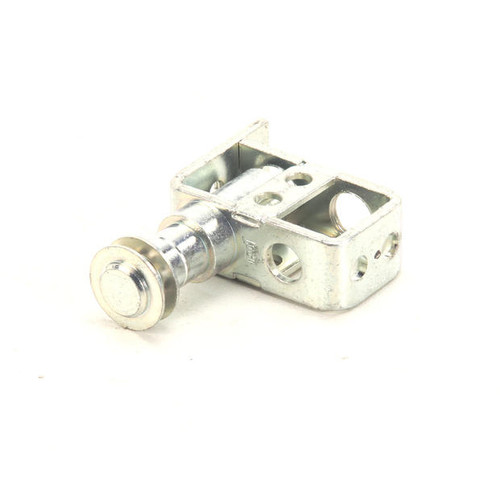

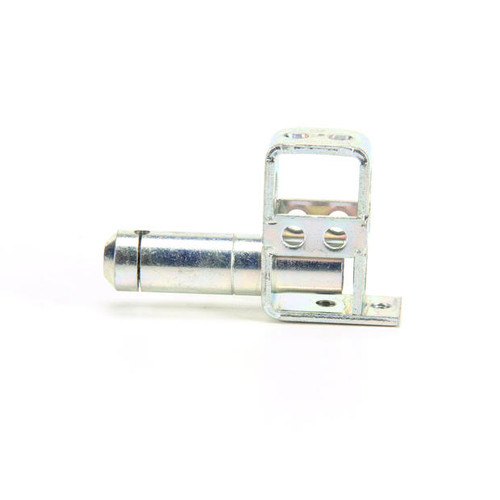
The pilot burner ensures reliable operation in high-use commercial equipment, allowing technicians and operators to restore service efficiently. Professionals in food service and institutional kitchens depend on robust components to reduce downtime and ensure safety.
LongDescription#@#NA#@@#Cleaning Instructions#@#Wipe pilot burner surfaces with a mild detergent and a soft cloth, then rinse with clean water and dry thoroughly. Apply a food-safe sanitizer to high-touch zones like knobs, chair backs, and menu covers to prevent germ transfer and reduce contamination risk. Inspect for debris under shelves and around stations; remove spills to deter pests and maintain health-code compliance. Use light oil on metal parts to prevent corrosion and extend service life.#@@#Additional Info#@#PartsTown NC2011 pilot burner #J966DDA-1 fits commercial gas equipment, measures 2.6" long and 0.7" high, and weighs 0.21 pounds; CSA-listed materials ensure stable ignition and simplified installation for foodservice operators.#@@#General Info#@#Description #@#
The pilot burner ensures reliable operation in high-use commercial equipment, allowing technicians and operators to restore service efficiently. Professionals in food service and institutional kitchens depend on robust components to reduce downtime and ensure safety.
This pilot unit fits tight valve assemblies and restricted spaces, enabling installation without altering adjacent components, which helps save on labor time during repairs.
The pilot provides stable flame presentation for effective ignition of main gas feeds. Maintenance teams notice consistent spark-to-flame transitions that enhance first-light success rates and minimize repeat ignition cycles.
Engineers designed the component for easy replacement during scheduled maintenance. Field crews can quickly remove and replace the unit using standard hand tools, which helps reduce outage times and service expenses.
Measuring approximately 2.6 inches by 0.7 inches, the assembly takes up minimal space within burner modules. Equipment designers and technicians appreciate the compact profile when planning retrofits or part replacements in crowded control areas.
Weighing around 0.21 pounds, the pilot adds minimal weight to door hinges and valve mounts. Installers find it easy to handle during alignment, requiring fewer fasteners to secure the assembly.
The component comes with parts provenance supported by a CSA-recognized supply chain and professional distribution channels established since 1998. Procurement teams benefit from traceability and documentation that assist with compliance reviews and inventory management.
#@@#Delivery Details#@#
• Please ensure to handle the product with utmost care.
• Check if the product you have received has all the essential parts and accessories.
• Make sure to examine the product for damage before signing the delivery receipt.
• Contact customer service for delivery concerns.
• Delivery times may vary based on location.#@@#deliverynotes#@#NA#@@#Maintenance Guide#@#Inspect the PartsTown 2011 burner pilot assembly regularly for soot, deformation, and secure fittings. Remove accumulated carbon with a brass brush and vacuum debris to maintain stable ignition. Verify thermocouple and pilot orifice alignment; adjust using manufacturer torque specifications to prevent gas leaks. Replace gaskets and seals showing wear. Conduct a leak test with a soap solution after reassembly. Record service dates and parts replaced for CSA compliance and inventory control.