
Manufacturer follows industry production practices and supplies traceable parts aligned with draft system requirements, backed by a history of innovation since 1998. Purchasing teams receive consistent component specifications and support for system compatibility.
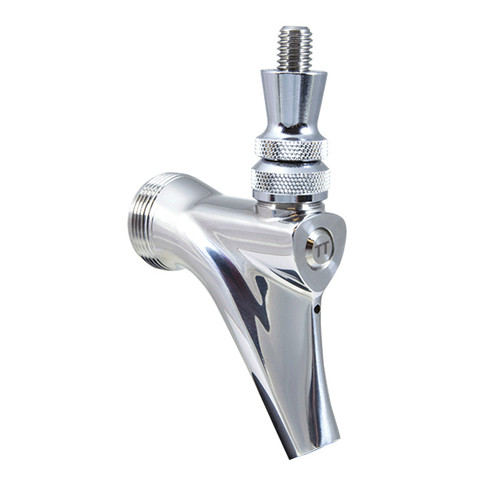
LongDescription#@#NA#@@#Cleaning Instructions#@#Unplug draft lines and remove faucet. Disassemble trigger tap and soak parts in warm water with mild detergent; scrub with a soft brush to remove beer stone and yeast. Rinse thoroughly with potable water and air dry. Sanitize with a CSA-approved solution per label, then reassemble and test for leaks. Clean vents and nearby surfaces weekly to prevent grease buildup and reduce fire risk. Regular cleaning preserves equipment, lowers energy use, and helps pass inspections.#@@#Additional Info#@#Micro Matic 304-TT Stainless Steel Trigger Tap offers a durable, corrosion-resistant solution for draft systems. Made from 304 stainless steel, it features trigger actuation for controlled flow and easy maintenance in high-volume foodservice.#@@#General Info#@#Description #@#
Manufacturer follows industry production practices and supplies traceable parts aligned with draft system requirements, backed by a history of innovation since 1998. Purchasing teams receive consistent component specifications and support for system compatibility.#@@#Delivery Details#@#
• Please ensure to handle the product with utmost care.
• Check if the product you have received has all the essential parts and accessories.
• Make sure to examine the product for damage before signing the delivery receipt.
• Contact customer service for delivery concerns.
• Delivery times may vary based on location.#@@#deliverynotes#@#NA#@@#Maintenance Guide#@#Inspect the Micro Matic 304-TT stainless steel trigger tap weekly and tighten all fittings to prevent leaks. Remove the tap for deep cleaning after each heavy service period and soak in approved sanitizer at recommended concentration and temperature. Flush lines with manufacturer-recommended cleaning solution to avoid buildup. Lubricate seals with food-grade lubricant quarterly and replace worn seals per CSA guidelines. Document service dates and parts replaced for traceability.