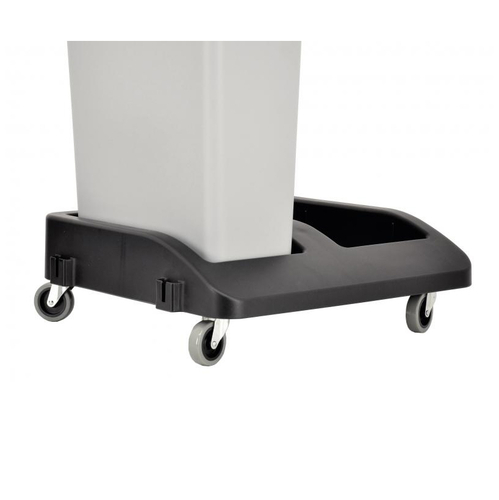


Built for demanding public spaces, this 40-gallon round trash container combines robust recycled plastic panels with a cedar slatted appearance to ensure a long service life and consistent performance. Designed for heavy-duty use, the unit accommodates high-volume waste streams while resisting moisture, impact, and fading common to both outdoor and indoor transit locations. Food service operators, facilities managers, and hospitality teams will appreciate a maintenance profile that reduces downtime and simplifies daily cleaning tasks.
LongDescription#@#NA#@@#Cleaning Instructions#@#Wipe exterior slats with a mild detergent solution and a soft cloth; rinse with clean water and dry immediately to prevent spotting. Disinfect high-touch zones (lid, rim, handles) using an EPA-registered sanitizer per label dwell time. Inspect seams and underside for food debris; remove crumbs with a brush and rinse. Tighten hardware monthly. Regular cleaning prevents cross-contamination, deters pests, preserves finish, and supports health code compliance.#@@#Additional Info#@#Alpine ALP471-40-WD-CD cedar-slatted recycled plastic trash container measures 21.25" W x 40.91" H and holds 40 gallons; commercial-grade panels resist corrosion and UV, with a secure internal liner and stabilizing flange.#@@#General Info#@#Description #@#
Built for demanding public spaces, this 40-gallon round trash container combines robust recycled plastic panels with a cedar slatted appearance to ensure a long service life and consistent performance. Designed for heavy-duty use, the unit accommodates high-volume waste streams while resisting moisture, impact, and fading common to both outdoor and indoor transit locations. Food service operators, facilities managers, and hospitality teams will appreciate a maintenance profile that reduces downtime and simplifies daily cleaning tasks.
#@@# Material Durability#@#
Engineers selected recycled plastic panels to resist rot, rust, and corrosion in wet or harsh environments. These panels maintain structural integrity under repeated impact and require no sealing treatments, providing predictable lifecycle costs for procurement teams. Units weigh approximately 72.71 pounds, ensuring stable placement against tipping in high-traffic zones.
#@@# Capacity Management#@#
The container stores 40 gallons of refuse, meeting mid to high throughput requirements for cafeterias, concourses, and hotel lobbies. The design accommodates standard 40-gallon liners and streamlines replacement cycles, allowing staff to perform fewer bag changes per shift. Visible capacity supports waste collection planning and scheduling for facilities operations.
#@@# Weather Resistance#@#
Manufacturers shaped the round form and plastic composition to shed water and prevent pooling, minimizing odor and bacterial growth in outdoor settings. The brown cedar styling resists UV degradation and retains its appearance with minimal upkeep, reducing repainting or treatment costs. Drainage considerations allow straightforward rinsing during custodial rounds.
#@@# Serviceability Features#@#
Panels assemble with accessible fasteners to enable rapid part replacement and reduce service downtime during repairs. Internal dimensions accept common municipal collection tools and carts to simplify emptying procedures.
#@@#Delivery Details#@#
• Please ensure to handle the product with utmost care.
• Check if the product you have received has all the essential parts and accessories.
• Make sure to examine the product for damage before signing the delivery receipt.
• Contact customer service for delivery concerns.
• Delivery times may vary based on location.#@@#deliverynotes#@#Upon confirmation of completed payment, Culinary Depot will ship and deliver the package.#@@#Maintenance Guide#@#Inspect panels weekly and remove debris to prevent odor and pest attraction. Clean exterior with a soft brush and mild detergent; rinse with low-pressure water to avoid surface damage. Verify lid hinges and fasteners monthly and tighten with appropriate tools. Replace worn gaskets and damaged slats immediately to maintain containment. Empty container before weight exceeds rated capacity and distribute waste evenly to reduce stress on the structure.